






Projects of the Klassik Stiftung Weimar are funded by the European Regional Development Fund (ERDF) and the Free State of Thuringia, represented by the State Chancellery of Thuringia, Department of Culture and the Arts.
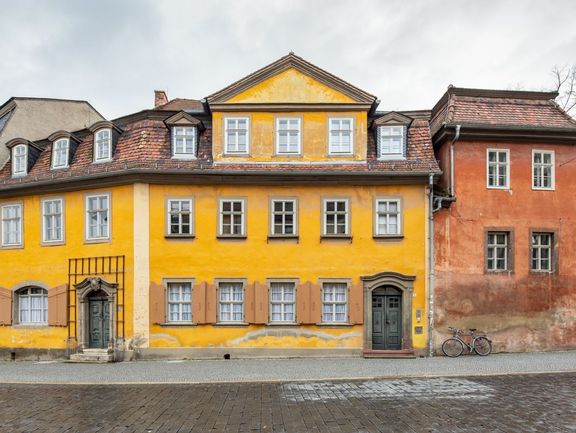
Goethe Residence Ensemble
Renovation and museum redesign in accordance with monument preservation guidelines
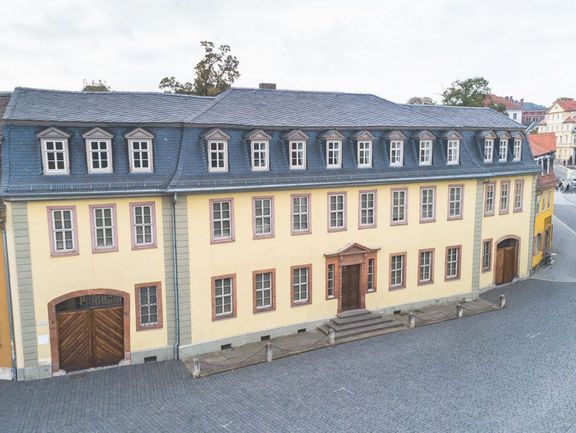
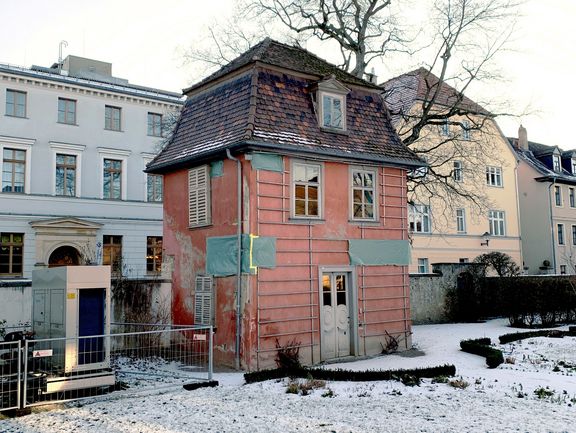
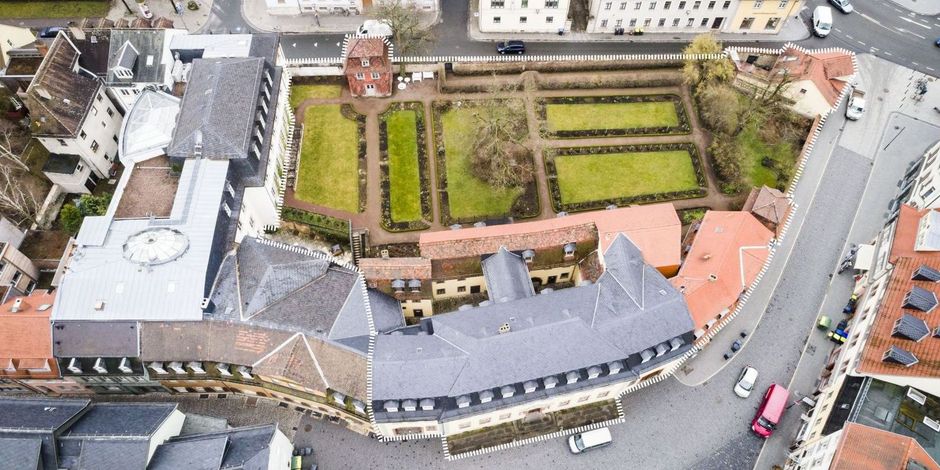
The project aims to renovate the front and rear buildings of the Goethe Residence, the two adjoining Vulpius buildings, the garden pavilion, the stone pavilion, the gatehouse and the house garden in accordance with monument preservation guidelines to the greatest degree possible.
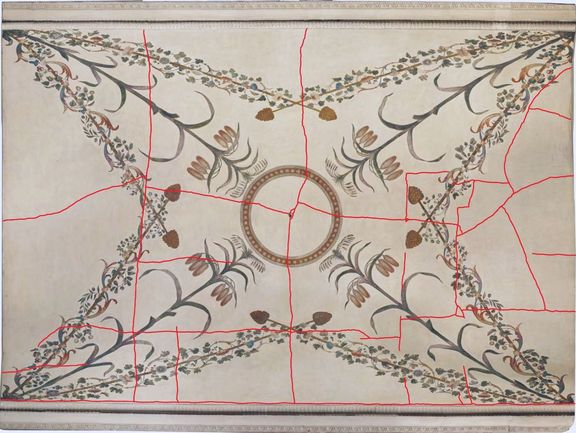
Despite continued upkeep and regular maintenance measures, the Goethe Residence ensemble requires extensive renovation and retrofitting to remove structural defects, carefully incorporate modern technical systems, install functional improvements (e.g. enhanced accessibility wherever possible) and adapt room design to current needs. Because the property is a protected UNESCO World Heritage Site, it is especially important to exercise caution when handling the historic building materials.
The project will primarily focus on renovating the facades of all the buildings in the ensemble. Workers will remove moisture damage and crumbling plaster, refurbish (and occasionally replace) damaged historic windows and doors, and repair the roofs.
The project will also focus on modernising technical systems inside the buildings. In the Goethe Residence, for example, modern radiators will be installed to improve indoor climate conditions, and the antiquated electrical system will be replaced.
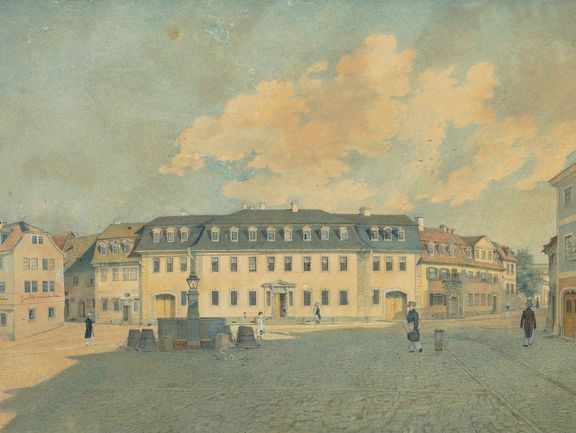
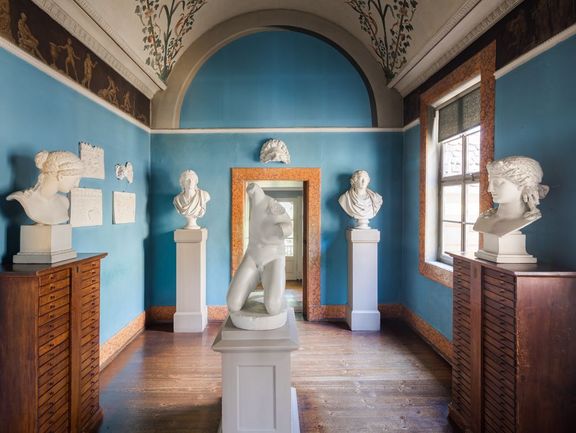
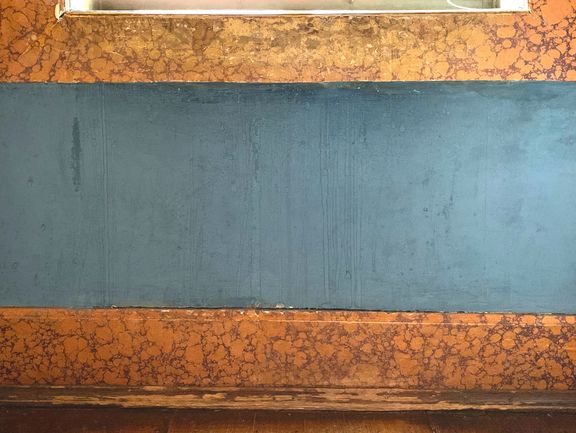
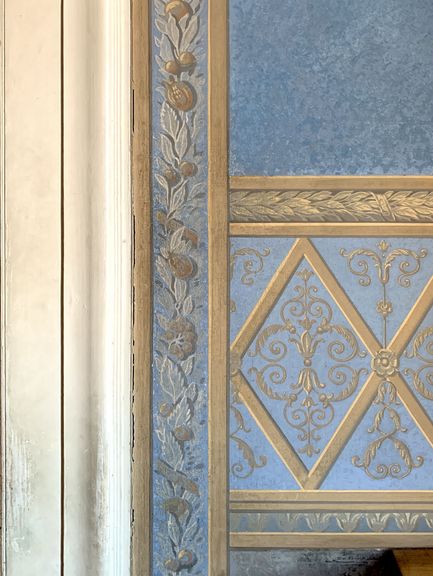
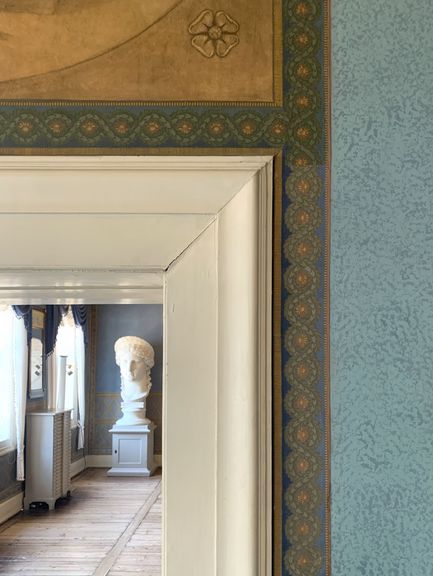
As part of its museological redesign, the ensemble will more closely resemble its original appearance in the Goethe Era. Based on testing conducted on historic coats of paint, some of the rooms will be repainted in shades similar to those Goethe used. The overall aesthetic impression of the rooms will generally remain the same. The building will also retain its character as a naturally illuminated museum; the new lighting concept will allow for augmented illumination on darker days.
The project also includes measures to refurbish two pavilions which had been previously closed to the public. Upon completion, visitors will be able to access these via the house garden. Both will be devoted to Goethe’s natural scientific interests. Goethe’s geological collection will be stored once again in the stone pavilion, for which structural reinforcement measures will be necessary.
The renovation of the pavilions, the conservation measures in the Goethe Residence, the installation of new technical systems and the restoration of the house garden has been made possible thanks to generous and extensive donations from private foundations.
Schedule
Competition in accordance with design competition guidelines: end of 2022
Approval planning: August 2025
Closure of the Goethe Residence: 2 November 2026
Start of construction: January 2027
Planned completion of construction: 2029
Financing / Funding
The project is financed with resources provided by the Free State of Thuringia, the German Federal Commissioner for Culture and the Media (BKM), as well as donations from the German Foundation for Monument Protection, the Wüstenrot Foundation, the Hermann Reemtsma Stiftung and the Hector Stiftungen.
Planners involved
Architects: Bruno Fioretti Marquez GmbH, Berlin
Exhibition design: chezweitz GmbH, Berlin
Structural engineering: BfB Büro für Baukonstruktionen GmbH, Dresden
Building technology: ARGE b.i.g. bechtold INGENIEURGESELLSCHAFT mbH, Weimar, with Six Engineers GmbH, Rudolstadt
Restoration planning: ProDenkmal GmbH, Berlin
Lighting concept: Belzner Holmes und Partner LIGHT – DESIGN, Berlin
Outdoor installations: ARGE Därr Landschaftsarchitekten, Halle mit RoosGrün, Weimar
Fire safety planning: Planungsgruppe Geburtig, Weimar
Building physics: BBS Ingenieurbüro Gronau und Partner, Weimar
Safety planning: TCProject Torsten Cech, Leipzig
Wood protection assessment: Staupendahl & Partner Bauplanungsgesellschaft mbH, Leipzig
Safety and health coordination: Ingenieurbüro Thomas Kramer, Amt Wachsenburg
Monument preservation objectives: adb büro für architektur, denkmalpflege und bauforschung Steffen Obermann, Berlin