

Projects of the Klassik Stiftung Weimar are funded by the European Regional Development Fund (ERDF) and the Free State of Thuringia, represented by the State Chancellery of Thuringia, Department of Culture and the Arts.
Between Order and Loss
The creation of the “Goethe” brand
special exhibition
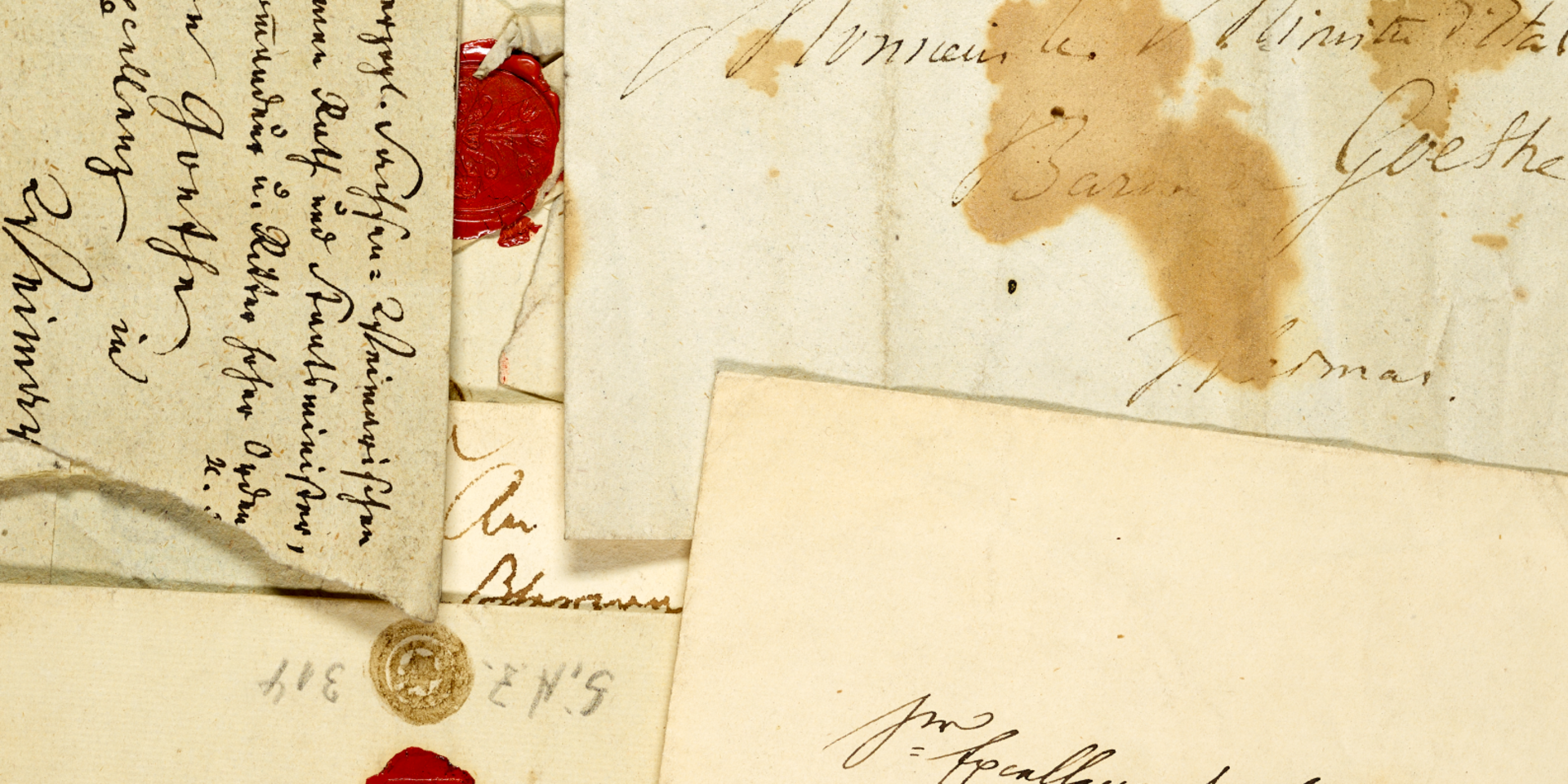
UNESCO added Goethe’s literary estate to its Memory of the World Programme 25 years ago. To mark the occasion, this exhibition highlights Goethe’s impressive strategies to preserve his legacy for posterity.
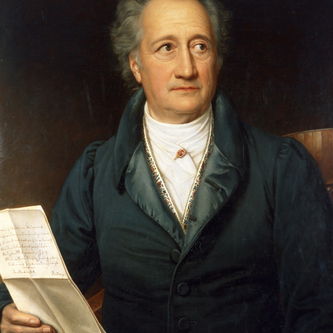
It was none other than Goethe himself who laid the cornerstone of his archive. Even during his lifetime, Goethe was keenly aware of his own cultural-historical significance and began systematically archiving his manuscripts in the early 19th century. He cleverly attempted to influence how future generations would handle his estate. To this end, he not only worked to preserve his writings but also burned some in so-called “autodafés” from time to time.
The exhibition peers over Goethe’s shoulder, offering us insight into his day-to-day life. It presents selected diary entries, letters, documents from his contemporaries, autobiographical writings and other items which shed light on how he wanted to be remembered. What instructions did he leave in his last will and testament regarding his written estate? What impact did his to-do lists, the so-called “agenda notes”, have on other media? How did he reflect on himself and his “image” in his correspondence? In what way did he present himself to international readers in journalistic media, which he was wont to criticise? This fascinating exhibition explores these questions and explains how Goethe managed to shape his own brand.
Your visit
Opening hours
Is open today
Address
Tickets
Free entry
Accompanying programme
Guided curator tours
- Every 3rd Wednesday of the month, 3pm
- Meeting place: foyer
- Tickets: € 6 for adults, free admission for children under 16; tickets will be available shortly via the Ticketshop
Accessibility
 Services for the hearing impaired
 Offers in the Weimar+ app
 Offers in simple language
 Disabled toilet available
 Elevator available
 Guided tours for blind and visually impaired groups of visitors possible
 Rollator access possible
 Wheelchair access possible
 Access with electric wheelchair possible