




Projects of the Klassik Stiftung Weimar are funded by the European Regional Development Fund (ERDF) and the Free State of Thuringia, represented by the State Chancellery of Thuringia, Department of Culture and the Arts.
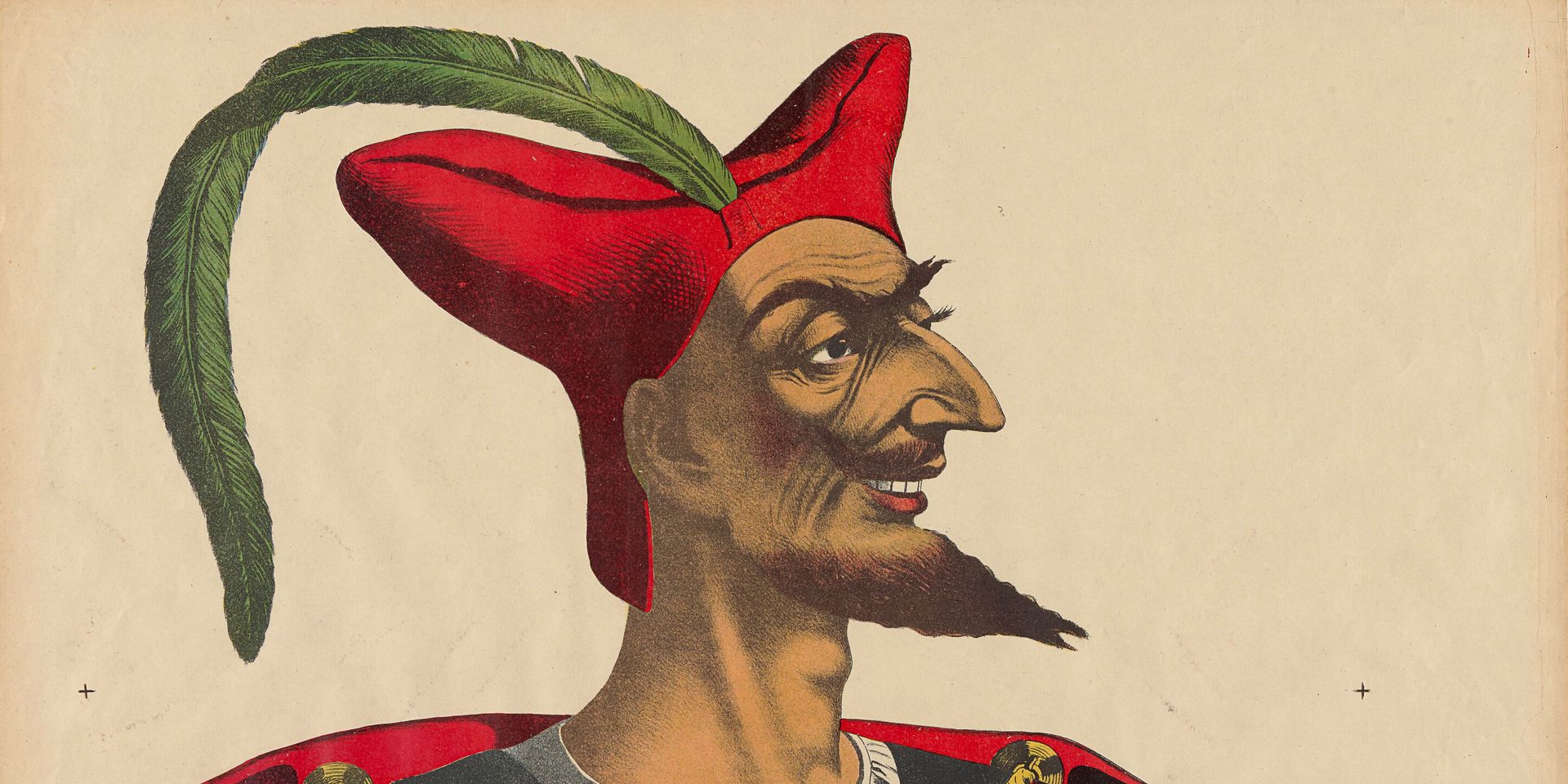
Diabolical! Mephisto in the Library

special exhibition
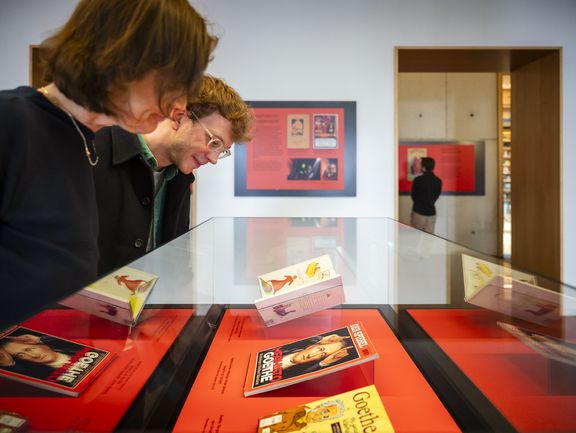
Faust would be inconceivable without Mephisto – that diabolical, ironic, sweet-tongued and eloquent spirit “that negates ever” and with whom he makes a pact. Mephisto is an inextricable part of Faust himself.
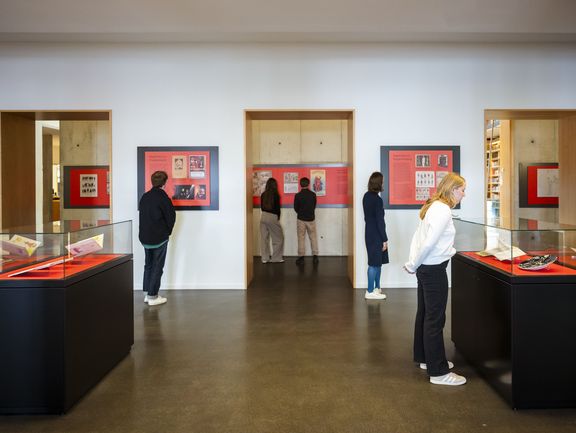
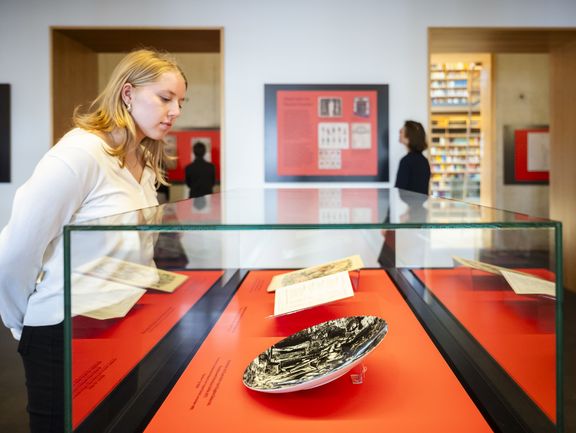
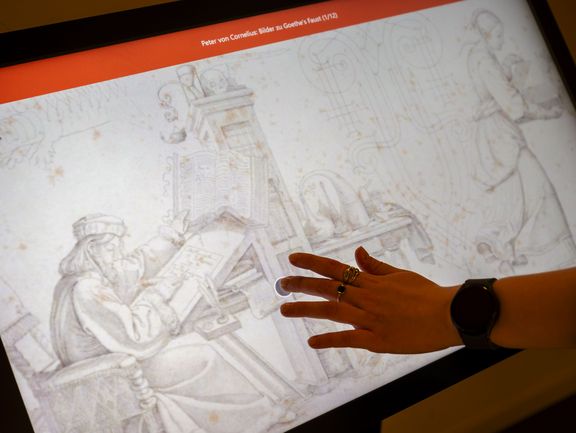
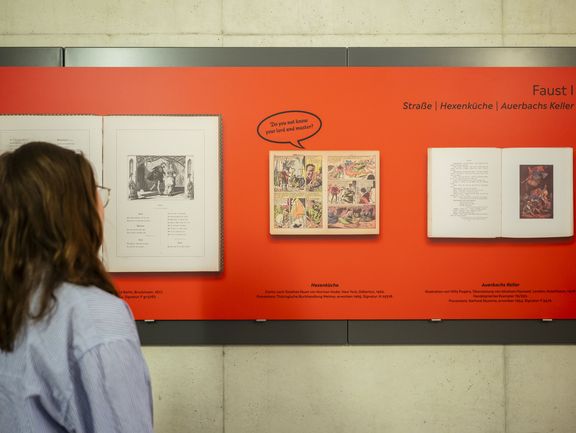
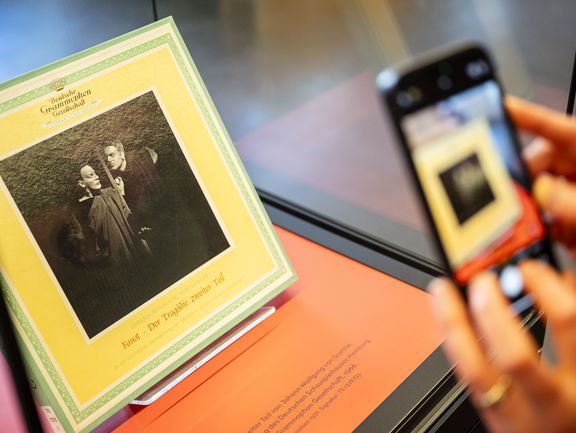
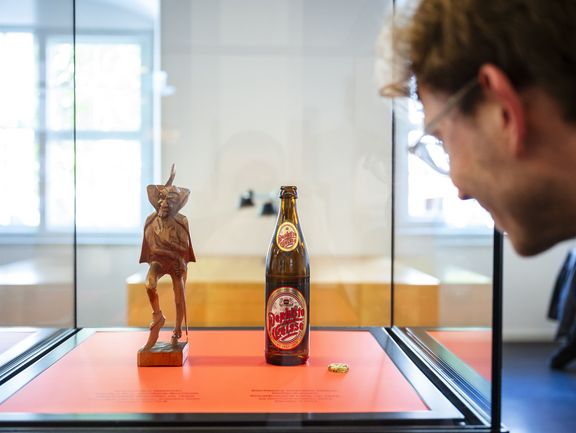
The Herzogin Anna Amalia Bibliothek owns the world’s largest Faust collection with over 21,000 items and publications. The presentation in the Study Centre highlights the multifaceted figure of Mephistopheles and follows the iconic rise of Faust’s nemesis in the media, starting with early book illustrations, actors’ photos and illustrated backdrops for paper theatres. In more recent times, Mephistopheles has been featured on album covers, comics, ad posters, and even shopping bags and beer bottles.
Discover the library’s media archive and find out how much Mephisto is in you!
You can also visit our virtual exhibition on “Diabolical! Mephisto in the Library”.
Your visit
Opening hours
Address
Tickets
Free entry
Insights

Theme year Faust 2025
Accessibility
 Offers in the Weimar+ app
 Disabled toilet available
 Elevator available
 Guided tours for blind and visually impaired groups of visitors possible
 Rollator access possible
 Wheelchair access possible
 Access with electric wheelchair possible