


Projects of the Klassik Stiftung Weimar are funded by the European Regional Development Fund (ERDF) and the Free State of Thuringia, represented by the State Chancellery of Thuringia, Department of Culture and the Arts.
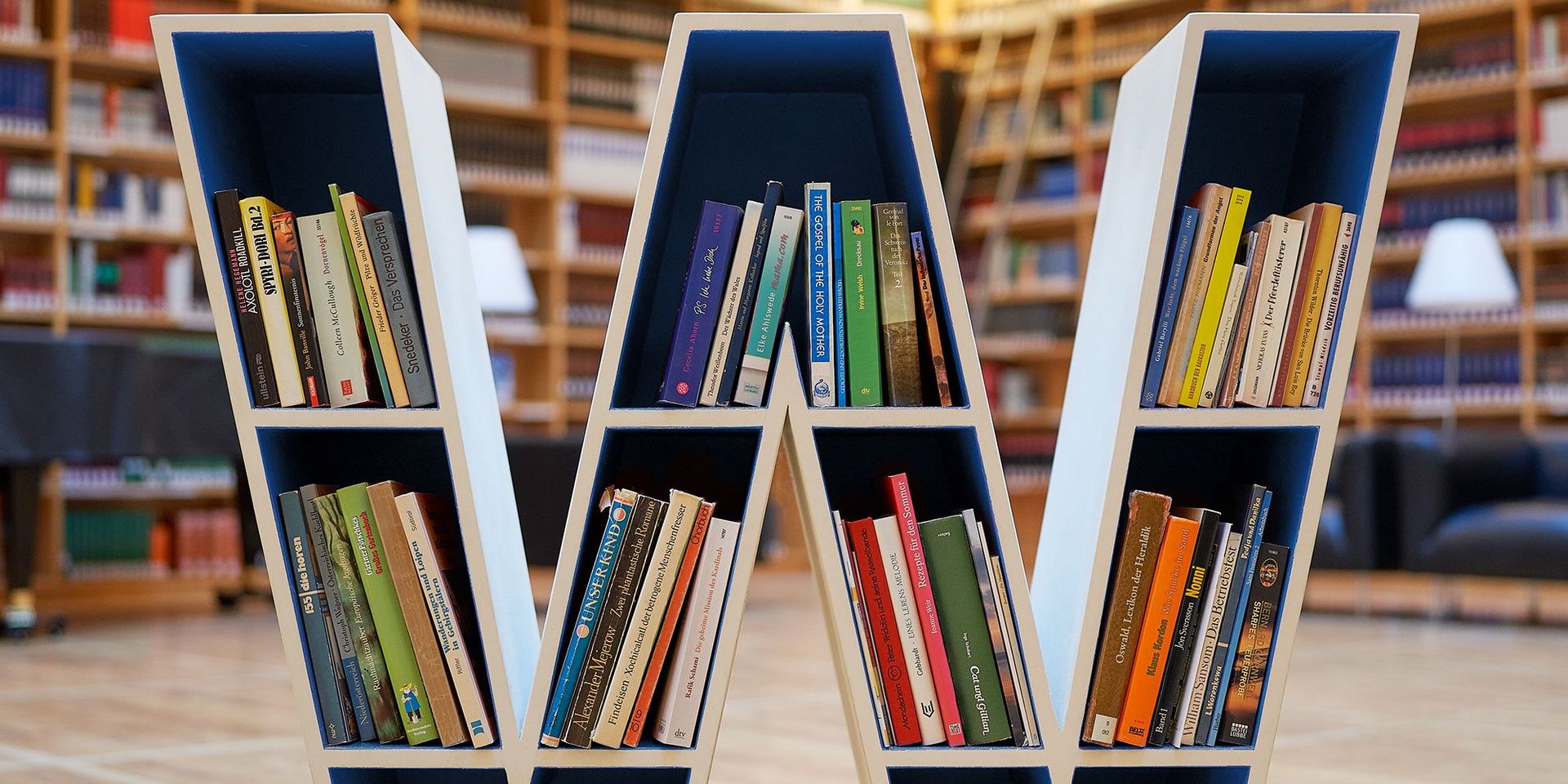
Make it public!
The ABCs of the Herzogin Anna Amalia Bibliothek
special exhibition
A Study Centre presentation on a library in transformation
Libraries are public places. The collections, rooms, exhibitions and events are all manifestations of their public character.
“Make it public! The ABCs of the Herzogin Anna Amalia Bibliothek” presents visitors an alphabetical list of key terms – the library’s benchmarks of orientation. Its task is to continuously describe itself as a public institution and respond to social and media-related upheaval.
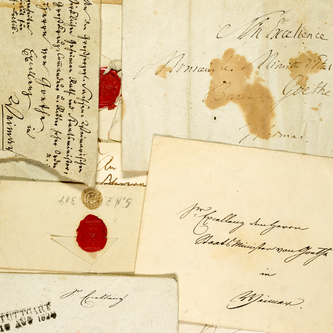
Acquisitions, AI, ashbooks, citizen science, collections, Goethe, homages, index cards, multispectral digitisation, original condition, participation and reading rooms – the presentation offers a broad range of insights into the work of the Herzogin Anna Amalia Bibliothek and the concepts that guide its activities.
Your visit
Opening hours
Is open today
Address
Tickets
Free entry
Accessibility
 Offers in the Weimar+ app
 Disabled toilet available
 Elevator available
 Guided tours for blind and visually impaired groups of visitors possible
 Rollator access possible
 Wheelchair access possible
 Access with electric wheelchair possible