

Projects of the Klassik Stiftung Weimar are funded by the European Regional Development Fund (ERDF) and the Free State of Thuringia, represented by the State Chancellery of Thuringia, Department of Culture and the Arts.
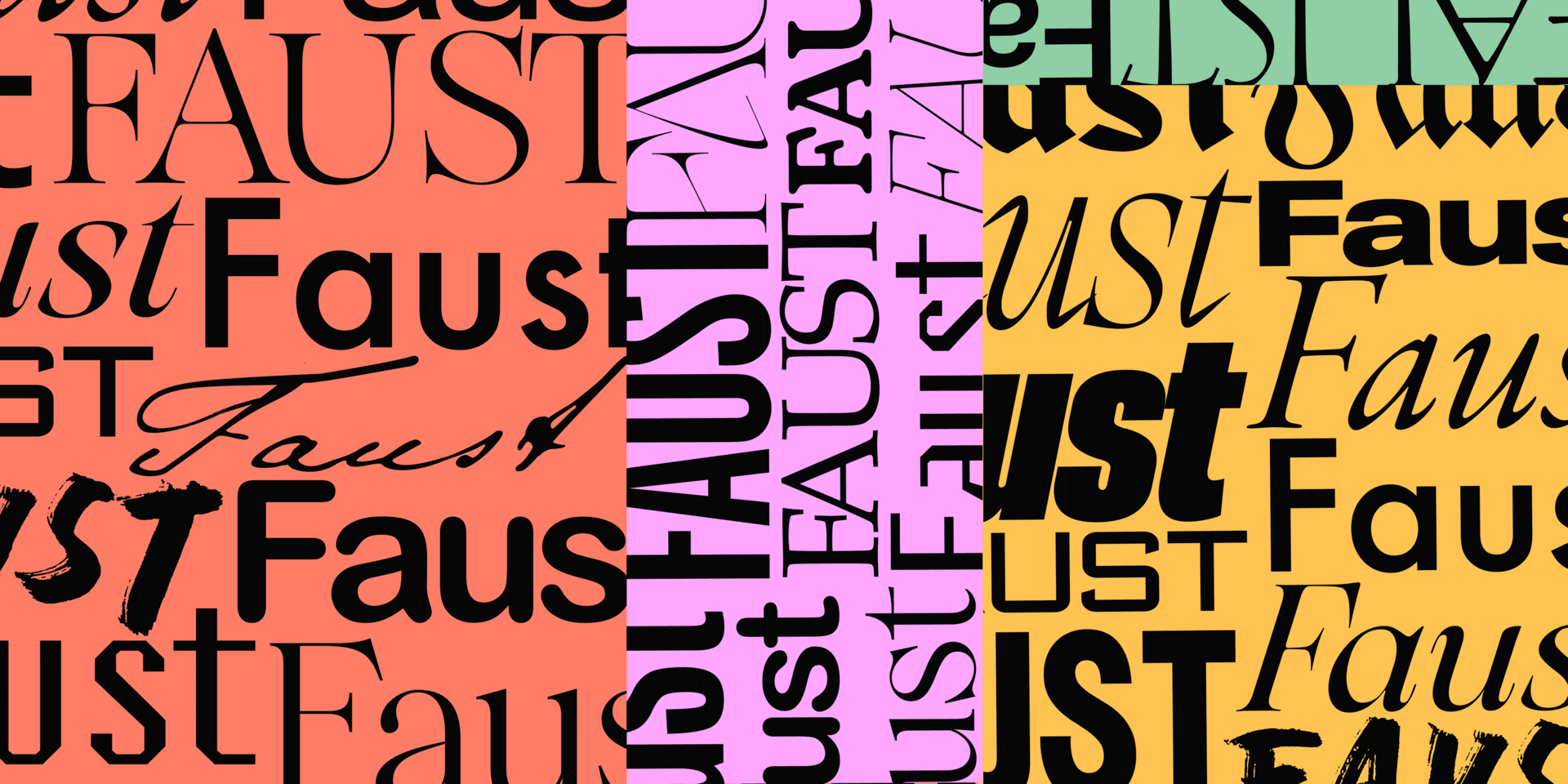
Faust
An exhibition
special exhibition
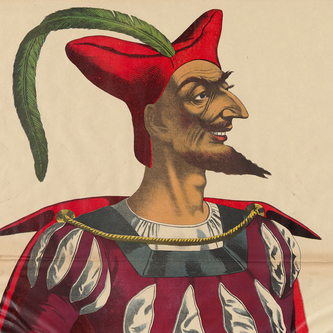
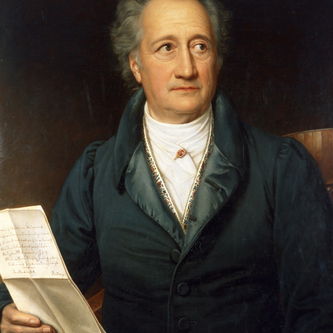
Does “Faust” mean anything to us today? The central exhibition of the 2025 Theme Year, presented at the Schiller Museum, primarily revolves around this key question.
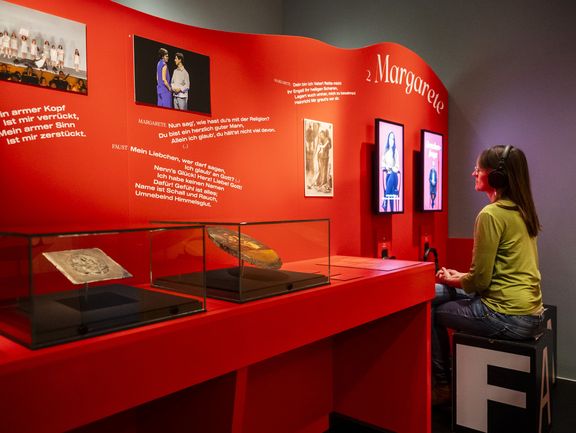
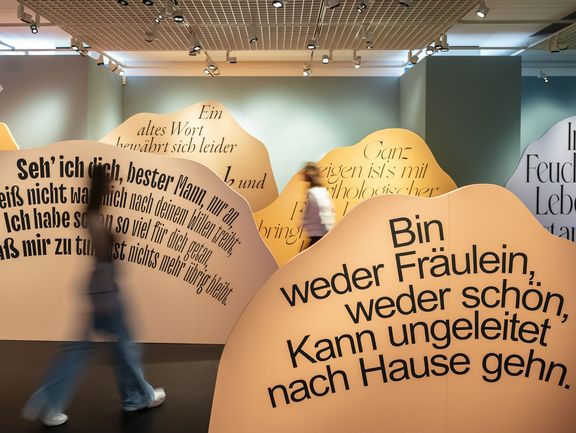
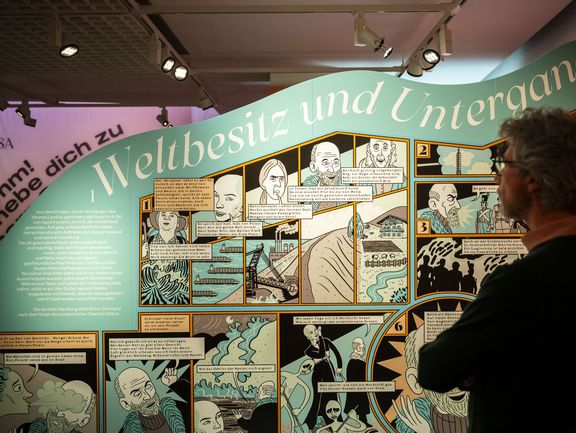
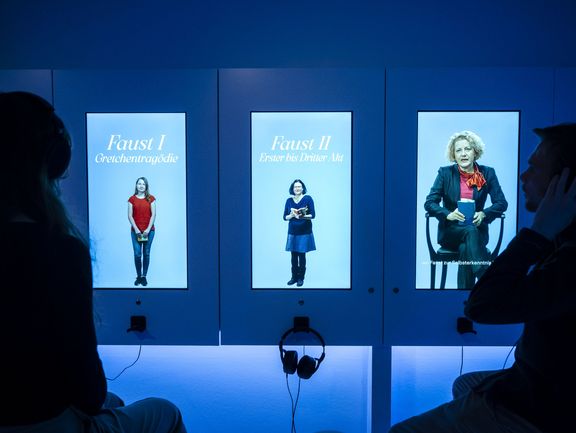
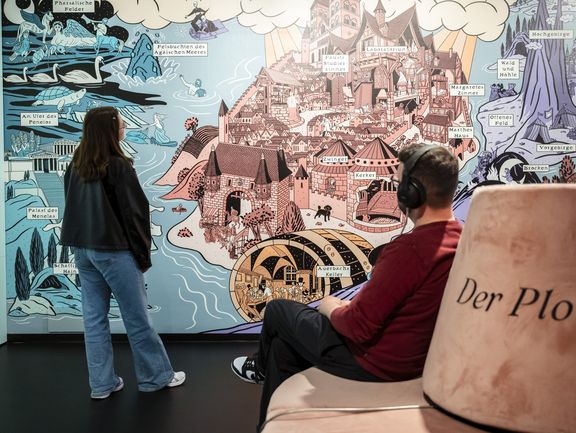
Artificial intelligence, the struggle for identity, the crisis of capitalism, love and betrayal, the force of nature and the consequences of its destruction – all of these topics are addressed in Goethe’s opus magnum “Faust” and are as relevant today as ever. In the 2025 Theme Year’s central exhibition, visitors can view, listen, read and immerse themselves in these and other topics of this literary masterpiece. Throughout it all, the exhibition focuses squarely on the text, its linguistic artistry and the sound of the meticulously crafted verses.
The exhibition is an invitation to become acquainted with this extraordinarily ambiguous work that speaks to everyone – to those who have already read “Faust”, those who intend to, and those who aren’t yet sure it’s something for them.
Your visit
Opening hours
Is open today
Address
„Faust“, Schiller Museum
Schillerstraße 12
99423 Weimar
Tickets
Adults
8.00 €
Reduced
6.00 €
Pupils (16-20 years)
3.00 €
Children up to 16 years free
Tickets
App Weimar+
Opening hours
Tue-Sun (Mon closed)
Summer 09:30 - 18:00
Winter 09.30 - 16:00
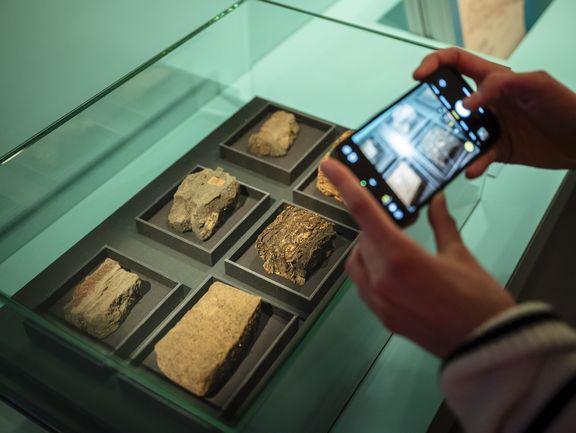
Insights into the exhibition
Organizers
Accessibility
 Services for the hearing impaired
 Disabled toilet available
 Accessibility tested
 Elevator available
 Rollator access possible
 Wheelchair access possible
 Access with electric wheelchair possible
Accepted cards
- MuseumCard
- weimar card