


Projects of the Klassik Stiftung Weimar are funded by the European Regional Development Fund (ERDF) and the Free State of Thuringia, represented by the State Chancellery of Thuringia, Department of Culture and the Arts.
Mail from Greenland
Mineralogical gifts in Goethe’s collections
presentation
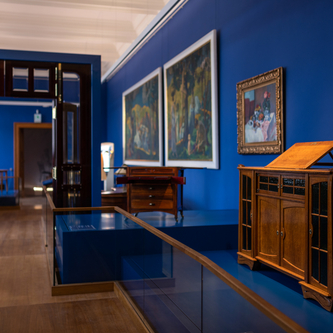
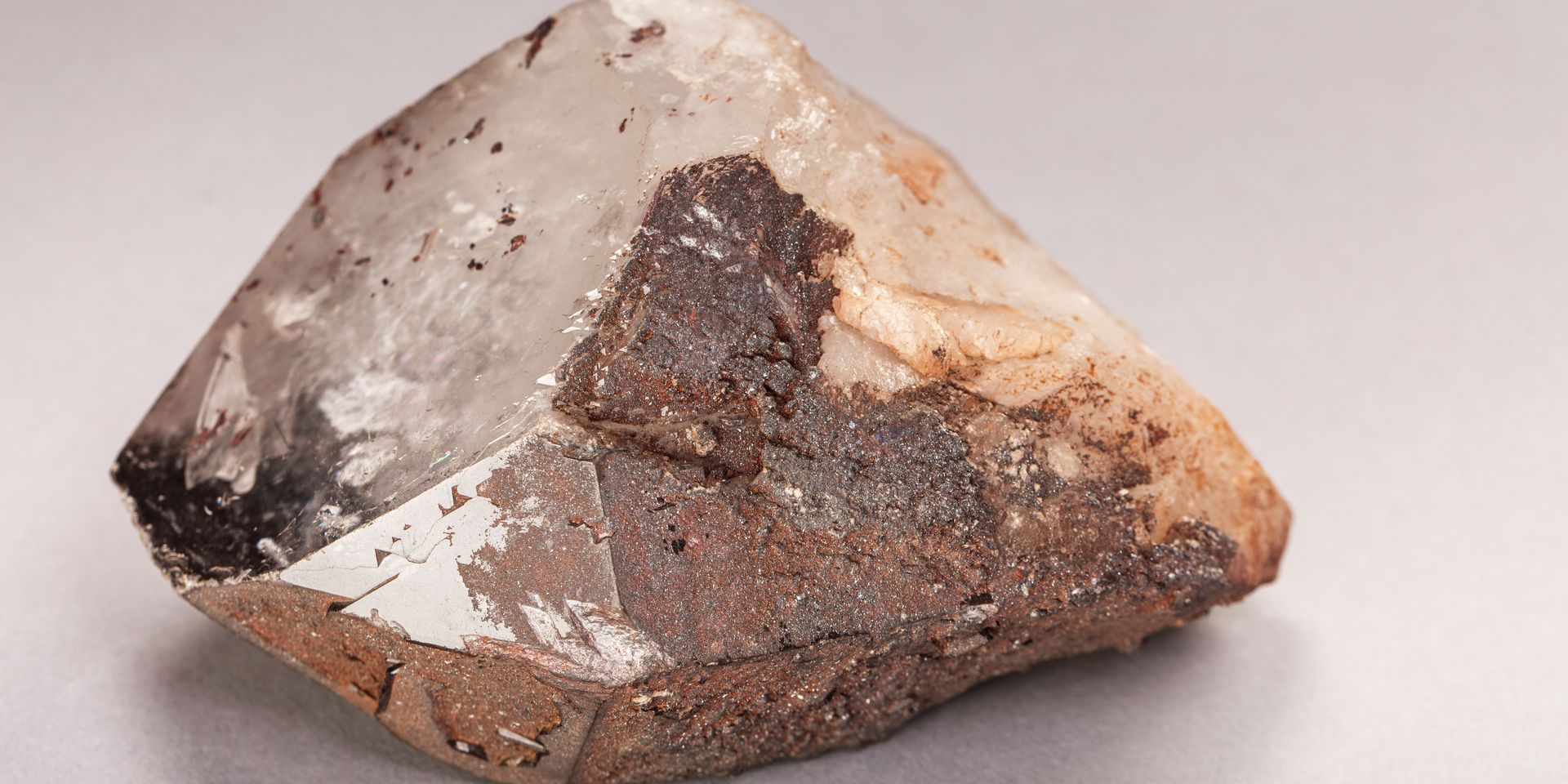
With over 18,000 minerals, rocks and fossils, Goethe’s geoscientific collections at his former residence on Frauenplan are extensive and yet, relatively unknown. The poet collected and purchased many of these himself, while other items were gifted to him. Some of these are now presented in a studio exhibition in a special room of the permanent exhibition at the Goethe National Museum. His donors included, among others, such illustrious figures as Wilhelm von Humboldt, Kaspar von Sternberg, Goethe’s “geological friend” Friedrich Wilhelm Heinrich von Trebra and the Greenland explorer Carl Ludwig Giesecke. The latter sent Goethe a box of minerals from the Arctic north. The small exhibition presents originals from Goethe’s collection and the items Goethe gifted to his benefactors in return – for example, the azure Coelestine from Dornburg which he had collected himself.
Your visit
Opening hours
Address
Tickets
Free entry
plus museum admission
Accessibility
 Services for the hearing impaired
 Offers for the visually impaired
 Offers in the Weimar+ app
 Offers in DGS
 Offers in simple language
 Disabled toilet available
 Accessibility tested
 Elevator available
- Guided tours for blind and visually impaired groups of visitors possible
 Rollator access possible
 Wheelchair access possible
Accepted cards
- MuseumCard
- weimar card