



Projects of the Klassik Stiftung Weimar are funded by the European Regional Development Fund (ERDF) and the Free State of Thuringia, represented by the State Chancellery of Thuringia, Department of Culture and the Arts.
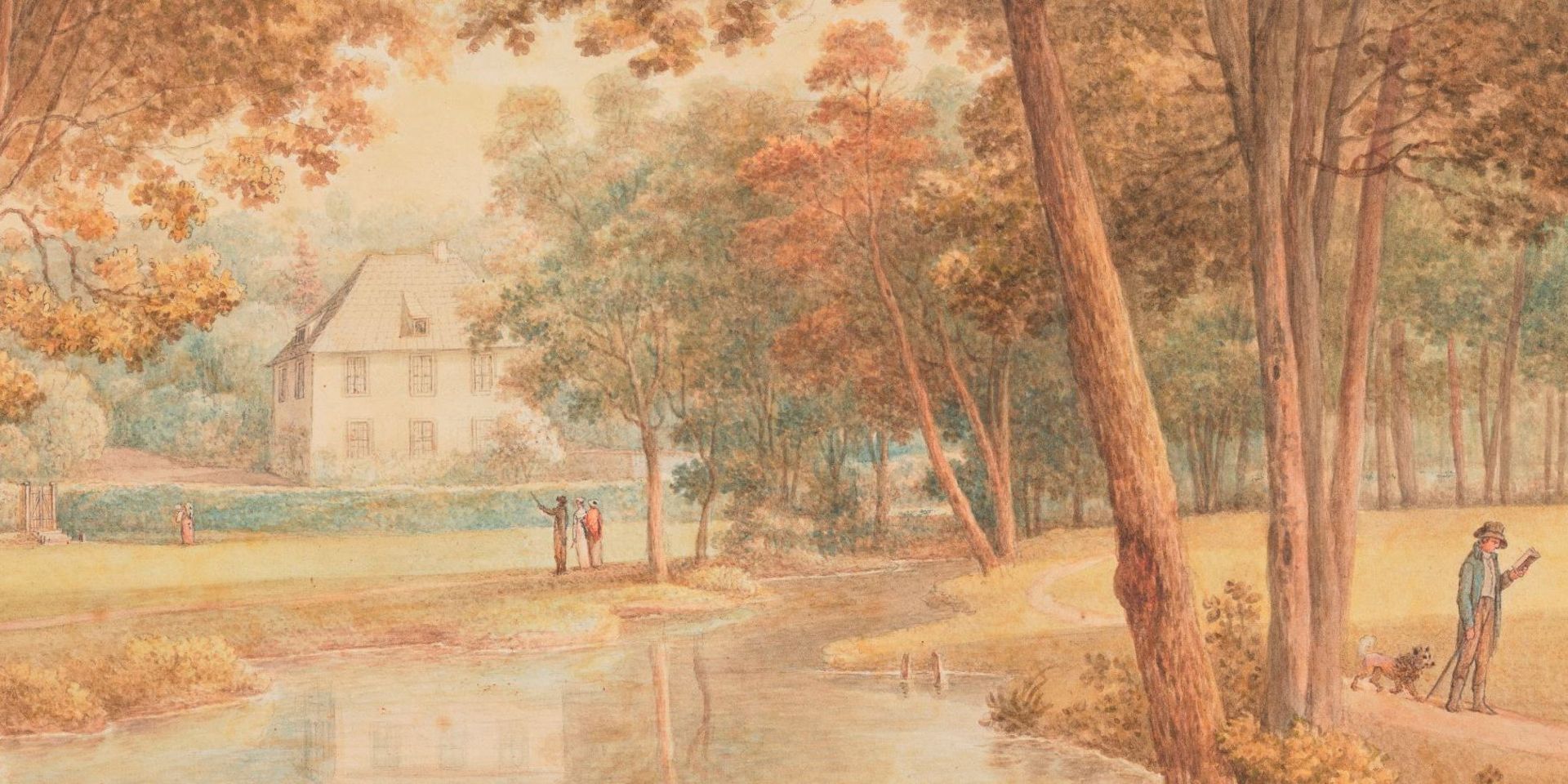
Goethe Gartenhaus
special exhibition
Illustrations of an architectural icon
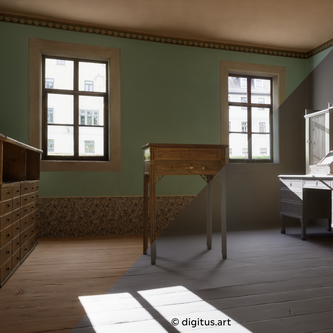
The Goethe Gartenhaus in the Park on the Ilm is one of the central sites of Classical Weimar. Depictions of Goethe’s quaint garden cottage were ubiquitous even during the poet’s lifetime. Countless illustrations have made it an icon which continues to fascinate us today.
The presentation sheds light on how the Gartenhaus became an architectural incunable, a place of identification for writers and the culturally interested German middle class, and not least of all, a tourist attraction.
Your visit
Opening hours
Address
Tickets
Free entry
plus museum admission
Accessibility
 Services for the hearing impaired
 Offers for the visually impaired
 Offers in the Weimar+ app
 Offers in DGS
 Offers in simple language
 Disabled toilet available
 Accessibility tested
 Elevator available
- Guided tours for blind and visually impaired groups of visitors possible
 Rollator access possible
 Wheelchair access possible
Accepted cards
- MuseumCard
- weimar card