



Projects of the Klassik Stiftung Weimar are funded by the European Regional Development Fund (ERDF) and the Free State of Thuringia, represented by the State Chancellery of Thuringia, Department of Culture and the Arts.
Castle History

permanent exhibition
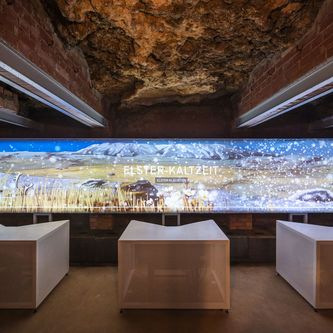
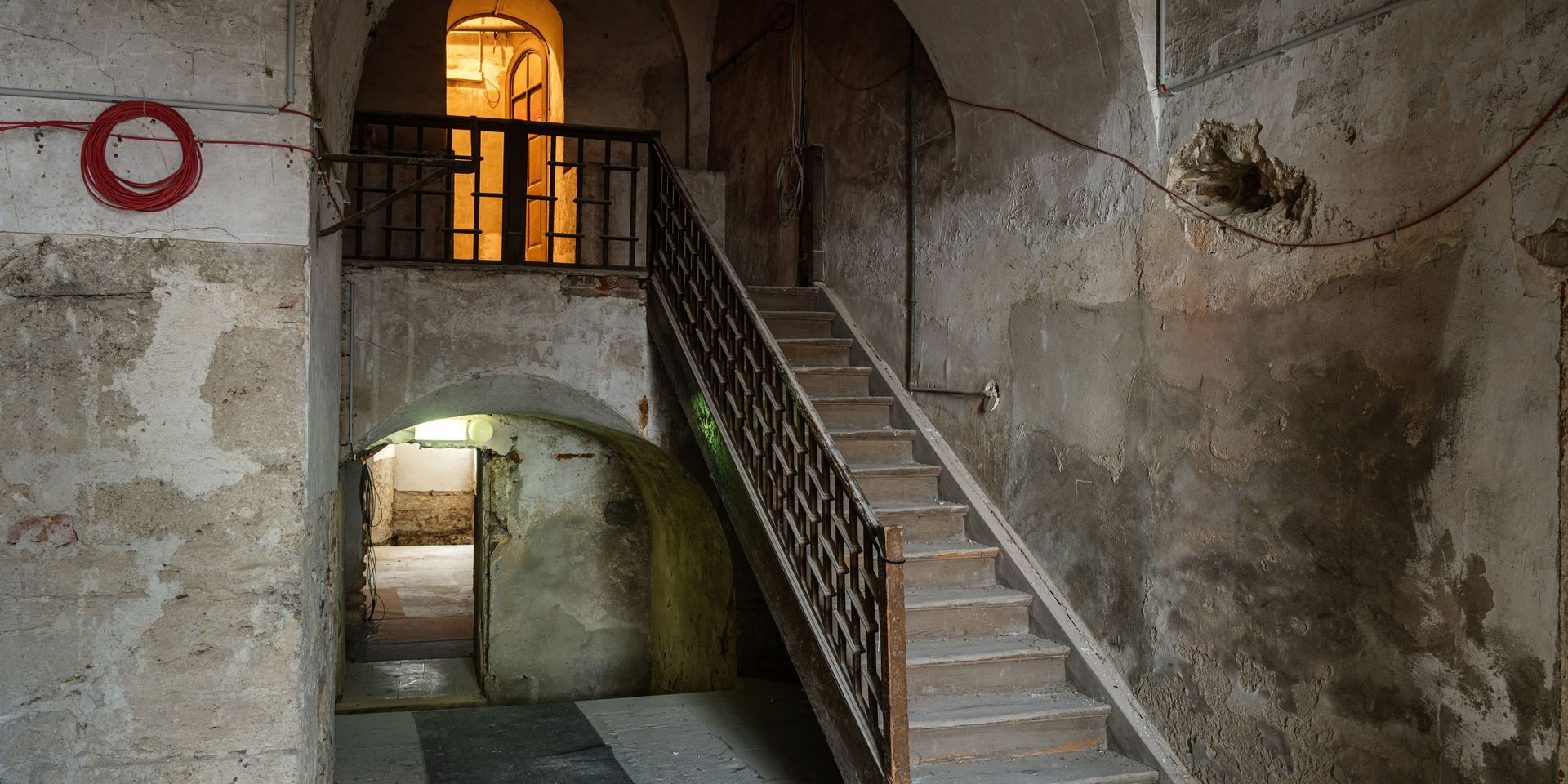
Weimar’s City Castle has been a defining feature of the city for centuries. In the ticket-free area of the lobby, you can discover the history of the Castle for yourself – featuring archaeological finds, insights into courtly life and a multipart castle model.
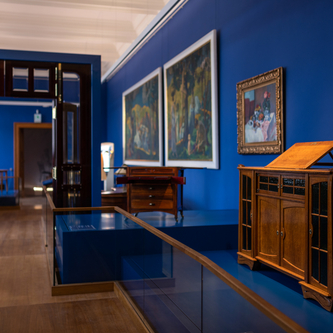
The City Castle is not only the oldest building managed by the Klassik Stiftung Weimar, but it’s also a structure inscribed with centuries of history. Follow the traces of its eventful past – from its medieval foundations to the Renaissance, when Lucas Cranach the Elder operated his painting workshop, to the Baroque facades which still distinguish the Castle today. Classical interior designs transition to the representative décor of the 19th century, while the political and social upheavals of the 20th century leave their indelible mark.
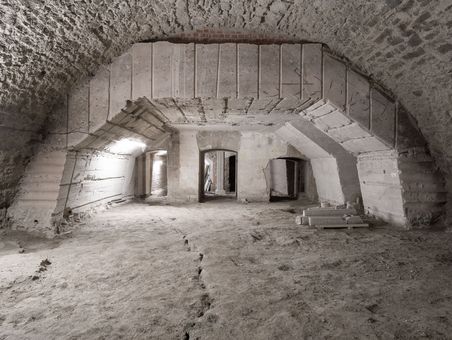
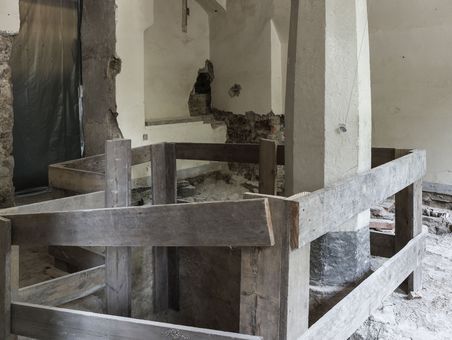
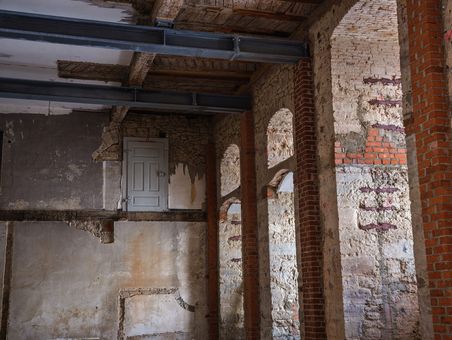
Moving from the newly renovated lobby into the ticket-free area, you can learn more about the fascinating architectural and functional history of the Castle. An archaeological zone, a belétage of Renaissance courtly life, an air-raid bunker, a “Kunst am Bau” project and a multipart castle model offer various perspectives on the history of this unique location.
Your visit
Opening hours
Is open today
Address
Tickets
Accessibility
 Offers in the Weimar+ app
 Disabled toilet available
 Elevator available
 Rollator access possible
 Wheelchair access possible
 Access with electric wheelchair possible