




Projects of the Klassik Stiftung Weimar are funded by the European Regional Development Fund (ERDF) and the Free State of Thuringia, represented by the State Chancellery of Thuringia, Department of Culture and the Arts.
Rahel Varnhagen in Weimar
presentation
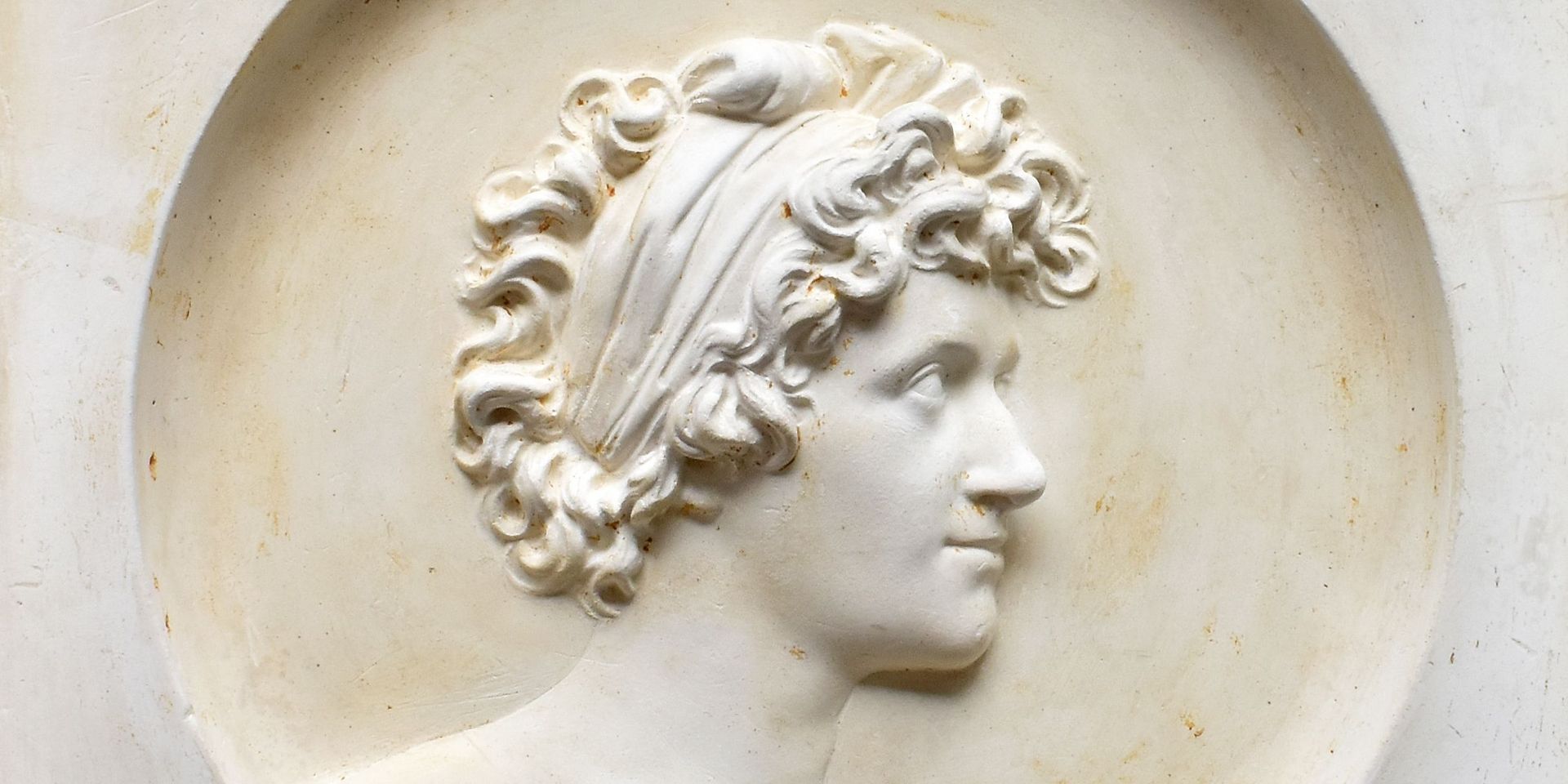
Sie war die erste deutsche Schriftstellerin, die mit ihrem Bildnis im Rokokosaal zu sehen war. Nun kehrt Rahels Porträtrelief im Rahmen einer Intervention zurück.
In March 1835 Karl August Varnhagen von Ense sent the plaster medallion of his wife Rahel, who had died just two years earlier, to Weimar. This classical masterpiece had been created by the sculptor Friedrich Tieck and soon found its place in the Rococo Hall of the Grand Ducal library.
Rahel Varnhagen von Ense was the first female German writer whose portrait joined the pantheon of famous poets in Weimar. And rightfully so – her profound admiration for Johann Wolfgang Goethe and the rapid dissemination of her humanistic and emancipatory conceptual world among Weimar’s cultural elite bound her forever with the city on the Ilm.
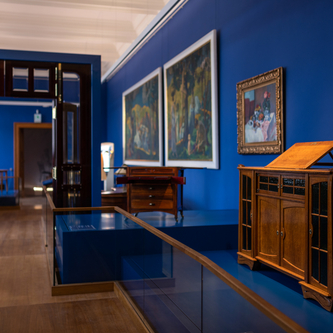
On 7 March 2024, the day of Rahel’s death, her portrait will return to its honorary place in the Rococo Hall in the company of other works. The artistic intervention pays tribute to Rahel Varnhagen von Ense as a philosopher who, despite widespread acclaim, encountered prejudice due to her Jewish background and gender. Her portrait in the library invites visitors to rediscover Rahel – her tireless pursuit of education, dialogue, self-reflection and unadulterated truth is more topical than ever.
Your visit
Opening hours
Address
Rococo Hall Herzogin Anna Amalia Bibliothek
Platz der Demokratie 1
99423 Weimar
Tickets
plus museum admission
Accessibility
 Services for the hearing impaired
 Offers for the visually impaired
 Offers in the Weimar+ app
 Offers in DGS
 Offers in simple language
 Disabled toilet available
 Elevator available
- Guided tours for blind and visually impaired groups of visitors possible
 Rollator access possible
 Wheelchair access possible
Accepted cards
- Combo ticket - Herzogin Anna Amalia Bibliothek
- MuseumCard