



Projects of the Klassik Stiftung Weimar are funded by the European Regional Development Fund (ERDF) and the Free State of Thuringia, represented by the State Chancellery of Thuringia, Department of Culture and the Arts.
Weimar Classicism

permanent exhibition
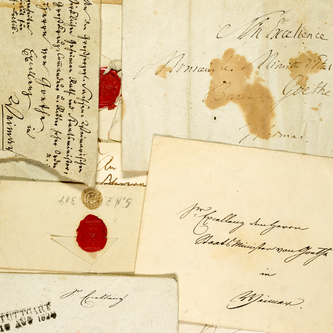
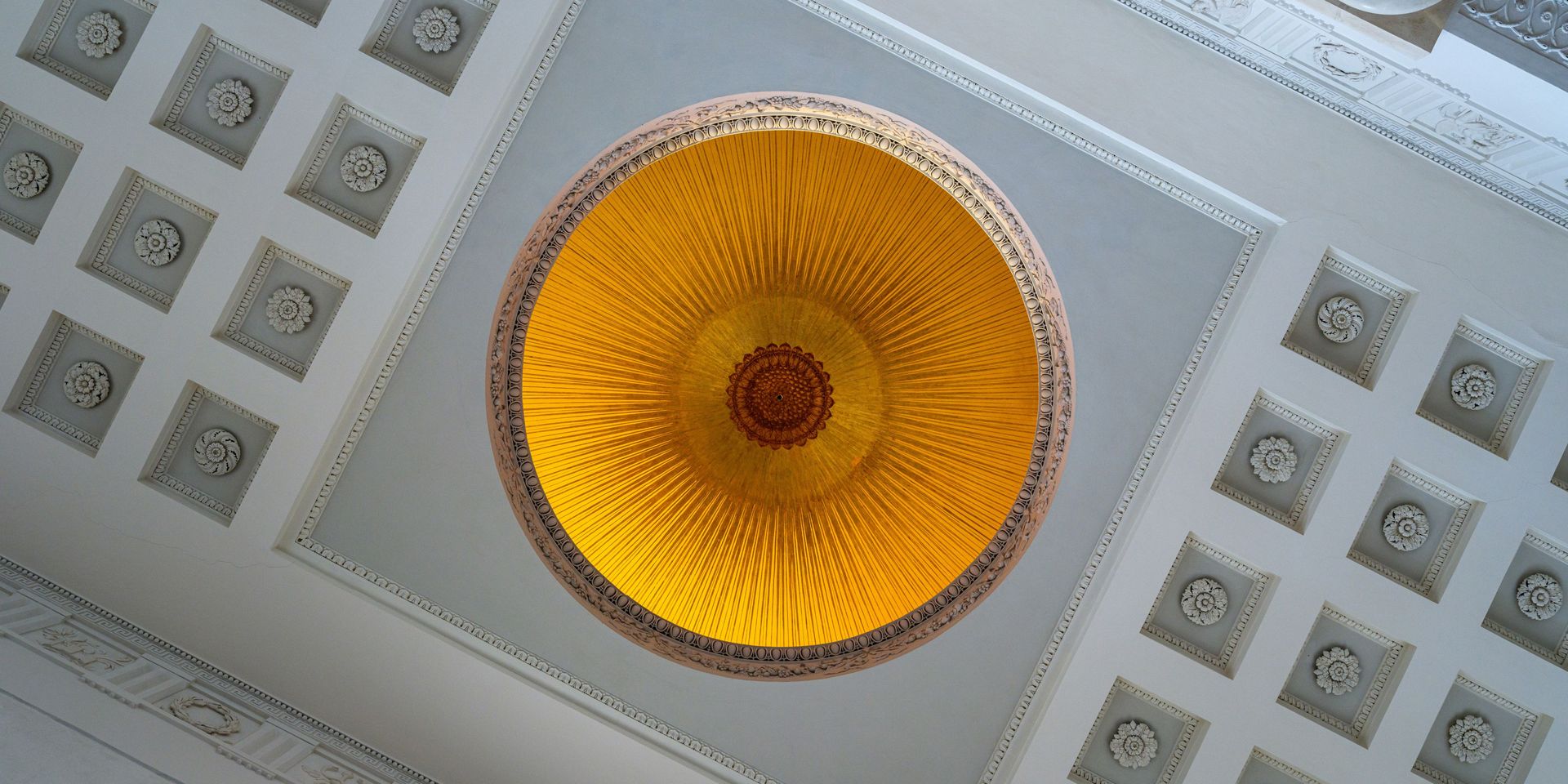
If Weimar had not been a ducal seat, the era of Weimar Classicism would have never happened. In this new permanent exhibition, discover how the Castle – as the city’s centre of power – shaped and cultivated the memory of Classicism and used it for its own political purposes.
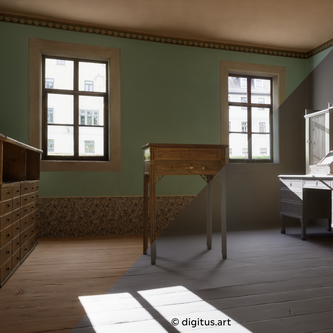
After eight years of extensive renovation, the first section of the Weimar City Castle reopens its doors to the public. In the festively decorated chambers and the belétage containing the ducal living quarters and impressive state rooms, you will experience Weimar Classicism in one of its most important historical venues.
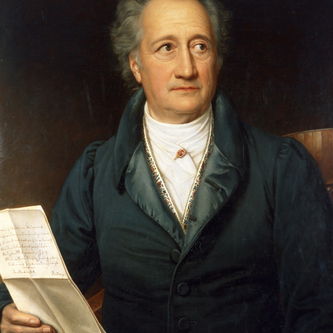
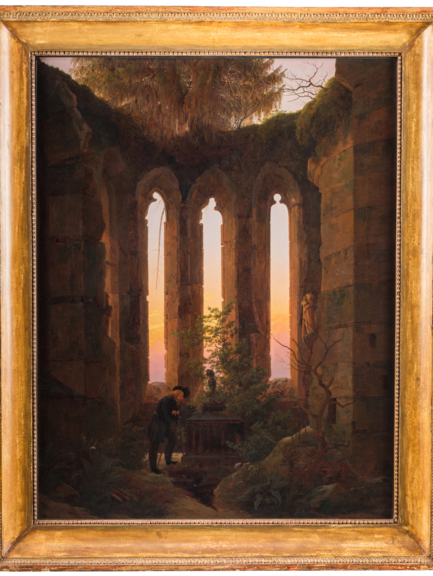
How did Weimar Classicism arise, and how did it form the cultural legacy that continues to influence Weimar’s image today? The new permanent exhibition takes visitors through the 19th century, beginning with Goethe, Schiller, Herder and Wieland who promoted an ideal of art that aspired to educate and enlighten the masses. Their achievements were followed by monuments raised in their honour and the political interpretation of Classicism. But the ruptures in this history are also visible – culminating with the catastrophe of World War I.
After this introductory exhibition on Weimar Classicism, we invite you to rediscover the numerous museums, historical sites, parks and collections of the Klassik Stiftung Weimar. The Castle is the starting point for exploring the many different facets of Weimar Classicism and its illustrious history.
Your visit
Opening hours
Is open today
Address
Exhibits


Accessibility
 Offers in the Weimar+ app
 Disabled toilet available
 Elevator available
 Rollator access possible
 Wheelchair access possible
 Access with electric wheelchair possible
Accepted cards
- MuseumCard
- weimar card